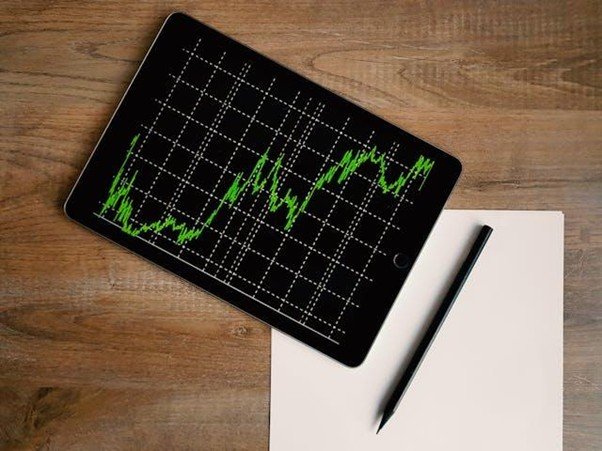
If you’re curious about investing but don’t have the time or money to buy actual stocks or commodities, you’re not alone. Many people today are looking for faster, flexible ways to trade without putting up too much capital. But with so many choices out there, it can be hard to know where to start. One option that often comes up in trading circles is called a CFD. At first glance, it can sound confusing, especially if you’re just starting out. But once you understand the basics, you’ll see why so many traders use CFDs to take part in the markets.
What Is a CFD and How Does It Work?
A CFD, or Contract for Difference, is a type of financial contract. It allows you to trade on the price movement of assets like stocks, currencies, or commodities without owning the actual asset. Let’s say you think the price of gold is going to rise. With a CFD, you can make a trade based on that belief. If the price of gold does go up and you close your position, you earn the difference between your buy price and the sell price. If the price goes down instead, you owe the difference.
This type of trading is attractive to beginners because it doesn’t require owning the asset or paying full price upfront. Instead, you put down a smaller amount of money called margin. However, it’s important to understand that while the potential for profit is there, the risk of loss is just as real. Prices can move fast, and if you’re not careful, you could lose more than your initial deposit.
Why CFDs Appeal to Beginner Traders
One of the biggest reasons beginners are drawn to CFDs is the flexibility. You can trade a wide range of markets, including shares, forex, commodities, and indices—all from the same platform. This means you don’t need different accounts for different types of assets. It’s also easy to go both long and short. Going long means you expect the price to rise, while going short means you believe the price will fall. Not many trading options give you this kind of freedom.
Another benefit is that CFD trading usually comes with lower fees compared to traditional stock trading. Many platforms don’t charge commission but instead make their money from the spread, which is the difference between the buy and sell price. This can be more cost-effective for people who want to make frequent trades or start with a small investment.
Understanding the Risks of CFD Trading
Even though CFDs can offer big rewards, they come with serious risks that beginners need to understand. Because CFDs are traded on margin, your losses can grow fast if the market moves against you. This is called leverage. It works both ways—boosting profits when your prediction is correct, but increasing losses when it’s not.
Also, since CFD prices are based on the underlying asset, they can change quickly depending on market news or economic events. If you don’t have a good plan or don’t follow the markets closely, you might get caught in sudden price swings.
To manage this, it’s important to set stop-loss orders. These are automatic triggers that close your position if the price drops to a certain level. This helps limit your losses. Some platforms also offer demo accounts. These are practice accounts that let you trade with fake money. If you’re just starting out, a demo account is a good way to learn the ropes without any risk.